
Marići – A Quiet Village Echoing the Spirit of Istria
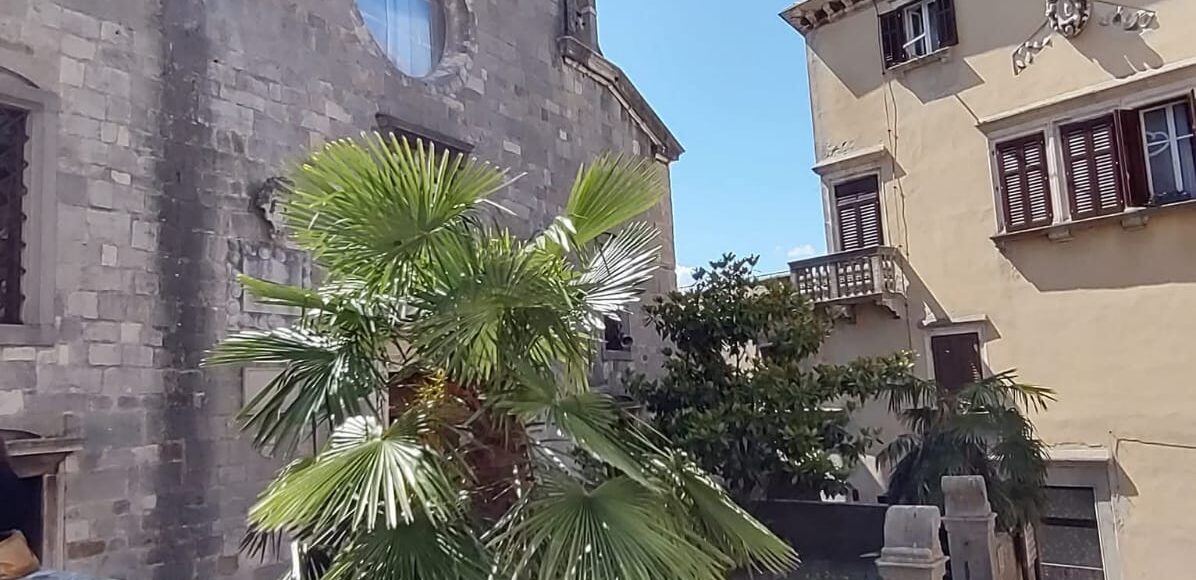
Tucked away in the green hills of eastern Istria, just a few kilometers from the historic town of Labin, lies the small village of Marići. Surrounded by olive groves, dense forests, and traditional dry-stone walls, Marići offers an authentic experience of rural Croatian life—simple, peaceful, and deeply connected to nature.
Though today Marići is a tranquil hamlet, its roots are intertwined with the broader history of the region. The lands around Labin have been settled since ancient times, first by the Illyrians and later by the Romans, who introduced organized agriculture and infrastructure. While no written records directly reference Marići in these early periods, the village likely evolved from scattered medieval farming communities that worked the fertile Istrian soil.
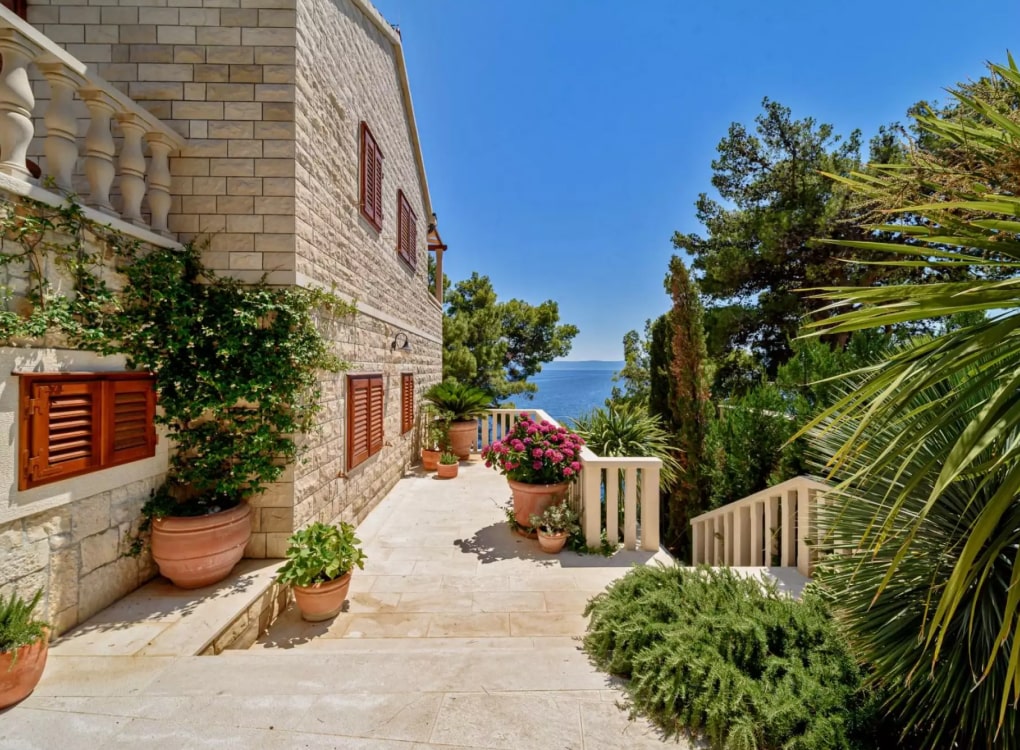
During the centuries of Venetian rule (14th to 18th century), this region developed a distinct cultural and architectural identity. Stone houses with thick walls and terracotta roofs, common in Marići even today, reflect this era. Many small villages like Marići flourished as self-sufficient farming communities, growing olives, grapes, and vegetables while trading with coastal towns under Venetian influence.
In the 19th and early 20th centuries, under Austro-Hungarian rule, Labin became a center for coal mining. This industrial boom attracted workers from surrounding villages, including Marići, and marked a shift in lifestyle—from purely agricultural to a mix of farming and mining labor. Despite being a small settlement, Marići was not isolated from the economic and cultural transformations of the time.
The 20th century brought political upheaval. After World War I, Istria became part of Italy, and then Yugoslavia after World War II. These transitions caused significant changes in land ownership, population movements, and local identity. Many rural villages, including Marići, experienced gradual depopulation as families moved to towns or emigrated abroad in search of opportunity.
Today, Marići remains a peaceful retreat, known for its natural beauty and rustic charm. Though small in size, it has gained new relevance as a destination for eco-tourism, art retreats, and countryside getaways. Visitors are drawn to its quiet pace of life, scenic walking trails, and its proximity to the cultural richness of nearby Labin and the beaches of Rabac.
Whether you are exploring Istria’s hidden corners or searching for a place to reconnect with tradition and nature, Marići welcomes you with the quiet dignity of a village shaped by centuries of history.